How to Plan a Multi-Country Trip with Friends: The Complete Guide
Master the art of planning multi-country group adventures. Learn route optimization, visa strategies, budget management, and how to keep everyone happy across borders.
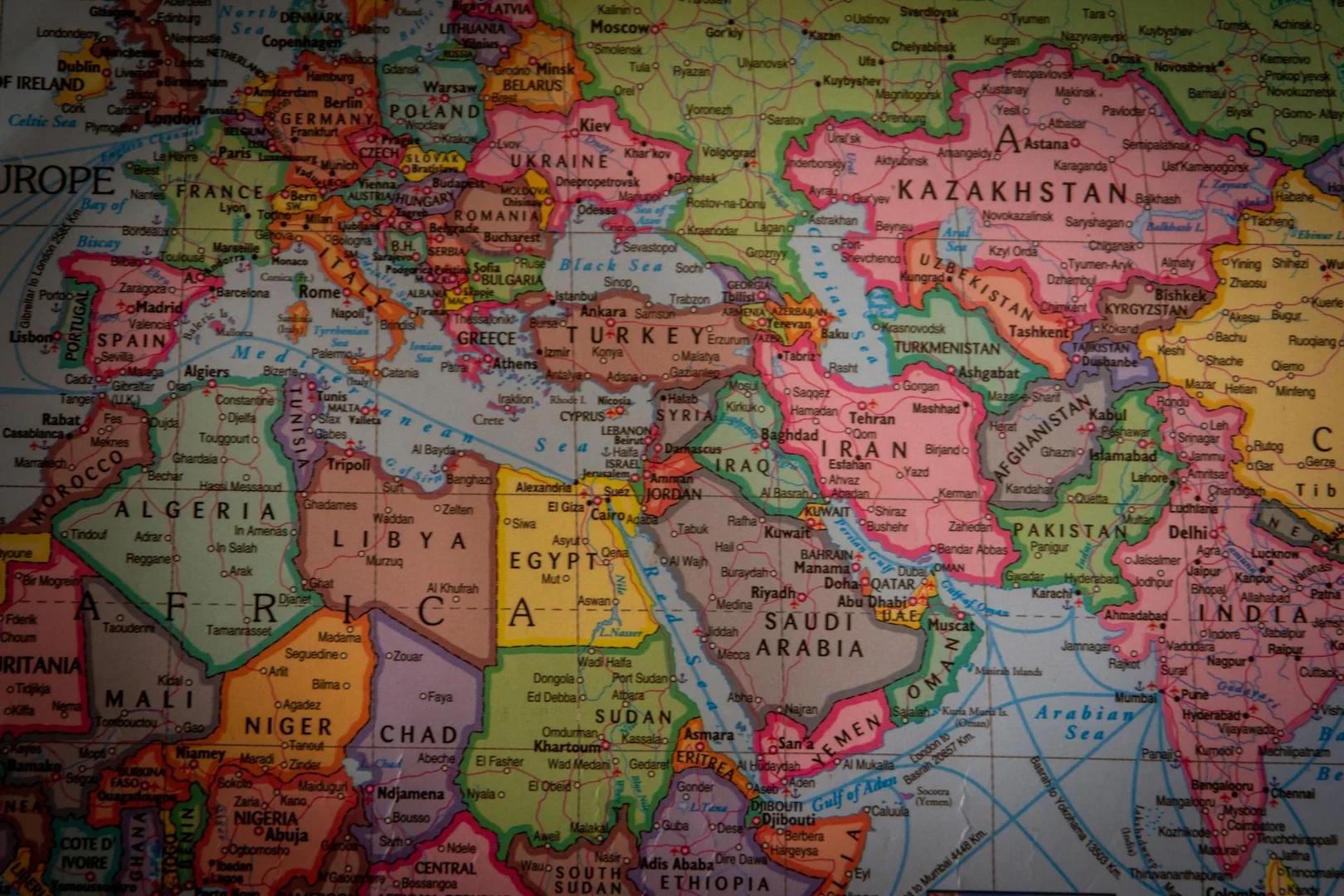
Planning a group trip to one destination is challenging enough. Add multiple countries, borders, currencies, and varying interests, and complexity multiplies.
But multi-country adventures – whether it's backpacking through Southeast Asia, road-tripping Europe, or island-hopping the Caribbean – create the most diverse and memorable travel experiences.
Here's your complete guide to planning a multi-country trip that runs smoothly and keeps everyone excited from first flight to last.
Phase 1: The Foundation (2-4 Months Before)
Step 1: Assemble Your Group
Ideal Group Size for Multi-Country:
- 2-4 people: Maximum flexibility, easy decisions
- 5-7 people: Good energy, still manageable
- 8+ people: Challenging logistics, consider splitting into smaller units
Finding Compatible Travelers:
Use miigo to find companions for multi-country routes. Look for:
- Similar budget range
- Compatible travel pace
- Flexible personalities
- Shared interests in destination types
Warning Signs:
- Rigid planners (multi-country needs flexibility)
- Very different budgets
- Red flags in communication
Step 2: Define Your Framework
Before Getting Into Details:
Time Frame: How long is the trip?
- 2 weeks: 3-4 countries max
- 3 weeks: 4-6 countries
- 1 month+: 5-8 countries
- Longer: Slow travel (1-2 weeks per country)
Budget Range: Get specific per person:
- Budget: €30-50/day
- Mid-range: €60-100/day
- Comfort: €100-150/day
- Luxury: €150+/day
Must-Have vs. Nice-to-Have:
Each person lists:
- 3 must-see countries
- 3 nice-to-have countries
- 1-2 absolute no-go countries (safety, cost, lack of interest)
Travel Style:
- Backpacker (hostels, buses, street food)
- Flashpacker (nice hostels, mix of transport, some restaurants)
- Comfort traveler (hotels, flights, restaurants)
Step 3: Choose Your Region
Popular Multi-Country Routes:
Europe:
- Western: Paris → Amsterdam → Brussels → London
- Eastern: Kraków → Budapest → Prague → Vienna
- Mediterranean: Barcelona → Nice → Florence → Rome
- Balkans: Croatia → Bosnia → Montenegro → Albania
Southeast Asia:
- Classic: Thailand → Cambodia → Vietnam
- Extended: + Laos, Myanmar, Malaysia, Singapore
- Islands: Indonesia (multi-island counts as multi-destination)
South America:
- Southern Cone: Chile → Argentina → Uruguay
- Andean: Peru → Bolivia → Ecuador
- Northern: Colombia → Panama → Costa Rica
Central America:
- Guatemala → Belize → Honduras → Nicaragua → Costa Rica
Middle East:
- Jordan → Israel/Palestine → Egypt
- UAE → Oman → Qatar
Step 4: Route Design
Golden Rules:
1. Don't Over-Pack the Itinerary
Bad Plan: 10 countries in 2 weeks = stressed, exhausted, broke
Good Plan: 4 countries in 2 weeks = actually experience each place
Rule of Thumb: Spend minimum 3-4 days per country, preferably 5-7.
2. Geographic Logic
Minimize Backtracking:
Bad Route (backtracking): Paris → Rome → Amsterdam → Barcelona
Good Route (logical flow): Paris → Amsterdam → Berlin → Prague
3. Transportation Time
Calculate Total Transit:
- Flight/train time
- Airport buffer (2-3 hours)
- Travel to/from airports
- Border crossings if overland
Example: Barcelona to Paris feels close, but actual time:
- Hotel to airport: 45 min
- Airport early: 2 hours
- Flight: 1.5 hours
- Immigration: 30 min
- Airport to hotel: 45 min Total: 5.5 hours (half a day gone)
4. Climates and Seasons
Some regions have dramatic seasonal differences. Research each destination's weather during your travel period.
5. Flow and Rhythm
Vary Your Pace:
- Busy cities: 2-3 days
- Relaxing locations: 4-5 days
- Nature/beach recovery: 3-4 days
Example 2-Week Europe Flow:
- Amsterdam (3 days - city energy)
- Rhine Valley (2 days - scenic relaxation)
- Munich (2 days - city)
- Salzburg (2 days - small town recovery)
- Vienna (3 days - city finale)
Phase 2: Logistics (1-3 Months Before)
Visas and Entry Requirements
Critical Pre-Trip Research:
1. Visa Requirements
Create a spreadsheet:
| Country | Visa Needed? | Cost | Processing Time | Validity |
|---|---|---|---|---|
| Thailand | Visa on arrival | $35 | Instant | 30 days |
| Cambodia | E-visa | $36 | 3 days | 30 days |
| Vietnam | E-visa | $25 | 3 days | 30 days |
Common Situations:
Schengen Zone (Europe):
- 90 days within 180-day period
- Covers 27 countries
- One entry counts for all
Visa on Arrival:
- Available at airport/border
- Have cash ready (USD usually)
- Passport photo sometimes needed
E-Visas:
- Apply online before travel
- Takes 2-7 days usually
- Print confirmation
Embassy Visits Required:
- Some countries require in-person application
- Plan weeks ahead
- May need to send passport (can't travel during processing)
2. Passport Validity
Must Have:
- 6 months validity beyond trip end
- Enough blank pages (2-3 per country)
Pro Tip: Renew passport before planning if it's close to expiration.
3. Border Crossings
Overland Travel Considerations:
- Some borders closed at night
- Some require different visas than air entry
- Cash often needed
- Can take hours (build buffer time)
Transportation Planning
Strategic Booking Timeline:
Book Early (2-3 months ahead):
- Flights between regions
- Trains that sell out (scenic routes)
- Peak season buses
Book Later (days to 1 week ahead):
- Short bus rides
- Flexible schedule portions
- Last-minute deals
Transportation Options:
1. Flights
When to Use:
- Long distances (save time)
- Island hopping
- Crossing oceans
Budget Tricks:
- Book separately vs. multi-city (sometimes cheaper)
- Use budget airlines (pack light!)
- Fly mid-week for better prices
- Consider nearby airports
Tools:
- Skyscanner for route comparisons
- Google Flights for price tracking
- Kiwi.com for creative routing
2. Trains
When to Use:
- Europe (excellent rail network)
- Japan (Shinkansen)
- Scenic routes (Swiss Alps, Trans-Siberian)
Group Benefits:
- Some countries offer group discounts
- Private compartments on overnight trains
- Split cost on seat reservations
Passes vs. Individual Tickets:
Interrail/Eurail Pass: Good for: Lots of train travel, flexibility Not worth it: Few trains, budget airlines cheaper
Calculate total ticket costs vs. pass price before deciding.
3. Buses
When to Use:
- Budget-friendly regional travel
- Routes trains don't cover
- Overnight to save accommodation
Platforms:
- FlixBus (Europe)
- RedBus (Asia)
- ClickBus (South America)
- Rome2rio (find all options)
Night Bus Strategy: Saves one hotel night, but quality sleep varies. Don't schedule arrival-day activities that require energy.
4. Rental Cars
When to Make Sense:
- Rural areas
- Groups of 4+ (split cost)
- Regions with poor public transport
Considerations:
- International driver's license needed?
- Insurance coverage
- One-way drop-off fees (can be steep)
- Parking costs in cities
- Toll roads
5. Boats and Ferries
Essential For:
- Greek islands
- Croatia coast
- Southeast Asia islands
- Scandinavia
Book Ahead: High season ferries sell out, especially for vehicles.
Accommodation Strategy
Approach for Multi-Country:
1. Mix Accommodation Types
Example 3-Week Trip:
- Week 1: Mostly hostels (meet people, save money)
- Week 2: Mix hostels and apartments
- Week 3: Apartments (need recovery space)
2. Book First and Last Nights
Why:
- Guaranteed arrival place (important when tired)
- Last night near airport for easy departure
- Middle portion flexible based on how trip flows
3. Location Strategy
City Stops: Book central even if pricier. Time saved > money saved on transport.
Relaxation Stops: Outskirts okay, you're not rushing around anyway.
4. Group Accommodation
Apartments/Rentals:
- Split 4-6 ways = cheaper than hostels
- Kitchen saves massive money
- Private space for group bonding
Booking Platforms:
- Airbnb for apartments
- Booking.com for last-minute deals
- Hostelworld for social hostels
- Homestay for local immersion
Budget Planning
Create Shared Budget Spreadsheet:
Categories:
Pre-Trip Costs:
- Flights
- Visas
- Travel insurance
- Gear needed
Daily Costs:
- Accommodation
- Food
- Local transport
- Activities
- Miscellaneous
Buffer: Always add 15-20% for unexpected costs.
Sample Budget: 3 Weeks Southeast Asia (4 People)
| Category | Per Person | Total Group |
|---|---|---|
| Flights | $600 | $2,400 |
| Visas | $100 | $400 |
| Accommodation | $315 (avg $15/day) | $1,260 |
| Food | $420 (avg $20/day) | $1,680 |
| Transport | $200 | $800 |
| Activities | $300 | $1,200 |
| Buffer (15%) | $290 | $1,160 |
| Total | $2,225 | $8,900 |
Money Management Tools:
- Splitwise
- Tricount
- Settle Up
Multi-Currency Considerations:
Best Practice:
- Wise account (holds multiple currencies)
- Withdraw local currency at ATMs
- Track in one "base" currency
- Let app handle conversions
Phase 3: Pre-Departure (1 Month Before)
Create Detailed Itinerary
Shared Google Doc with:
For Each Country:
Day-by-Day Overview:
Day 1-3: Amsterdam, Netherlands
- Arrive: Schiphol Airport
- Accommodation: X Hostel, Centrum
- Must-do: Anne Frank House (book ahead!), canal cruise
- Food: Foodhallen, stroopwafels
- Evening: Red Light District walk

Transport to next stop:
- Day 4 morning: Train to Brussels (1hr 50min)
- Departure: 9:42 Amsterdam Centraal
- Arrival: 11:35 Brussels Midi
- Cost: €29/person (booked)
Include:
- Addresses of accommodations
- Booking confirmations
- Transport details
- Emergency numbers
- Group meeting points
Flexibility Built In: Mark some days as "flexible" or "game-time decision."
Pack Smart for Multi-Country
Challenges:
- Varying climates
- Multiple currencies
- Different plug adapters
- Limited luggage space
Solutions:
1. Pack Light (Seriously)
Rule: If you can't comfortably carry your bag for 20 minutes, it's too heavy.
Why: You'll be moving every 3-5 days. Excess luggage becomes a nightmare.
2. Versatile Clothing
Layering > Specific Outfits:
- 3-4 shirts (mix and match)
- 1 light jacket
- 1 warm layer
- 2 bottoms
- 1 nice outfit (nights out)
- Underwear for 7 days (laundry weekly)
3. Universal Adapter
One adapter that works everywhere > carrying multiple.
4. Important Documents
Physical Copies:
- Passport
- Visa confirmations
- Travel insurance
- Accommodation confirmations
Digital Backups:
- Email PDFs to yourself
- Google Drive folder
- Photos on phone
Group Communication
Set Up Systems:
Daily Check-Ins: Morning: Today's plan Evening: Tomorrow's plan, any issues
Decision-Making Framework:
Minor Decisions (restaurant, activity): Majority vote, minority goes along
Major Decisions (change destination, big expense): Unanimous agreement needed
Individual Opt-Outs: Anyone can skip activity without group guilt
Pre-Agree On:
- Wake-up time flexibility
- Alone time needs
- Budget limits
- Alcohol/party expectations
During the Trip: Staying Organized
Daily Routine
Morning Huddle (10 min):
- Today's plan
- Meeting times/places
- Budget check-in
Evening Debrief (5 min):
- Tomorrow's wake time
- Highlight of today
- Any issues to address
Handling Common Multi-Country Challenges
Challenge 1: Fatigue
Symptoms: Everyone's tired, cranky, not enjoying things.
Solutions:
- Schedule rest day (sleep in, minimal plans)
- Split up for morning (solo time)
- Reduce pace (cut one destination)
- Splurge on comfort (nice dinner, better accommodation)
Challenge 2: Budget Imbalance
Situation: One country way more expensive than expected.
Solutions:
- Adjust remaining countries' budgets
- Cook more meals
- Free activities for a few days
- Everyone contribute to emergency fund
Challenge 3: Group Conflict
What Goes Wrong: Personality clashes, different interests, money disputes.
Resolution:
- Private conversation, not group confrontation
- Focus on specific behavior, not person
- Compromise or agree to split up for portion
- Reference pre-trip agreements
Challenge 4: Transportation Mishaps
Missed Connections:
- Have backup plan (next train/bus)
- Keep emergency funds
- Stay calm, adapt
Lost Tickets:
- Keep photos of all confirmations
- Contact company immediately
- Have credit card for rebooking
Making the Most of Each Stop
Quality Over Quantity:
Don't:
- Rush through museums to check box
- Eat at tourist traps to save time
- Skip local neighborhoods
Do:
- Prioritize 2-3 "must-sees" per destination
- Wander aimlessly sometimes (best discoveries)
- Eat where locals eat
- Talk to people (locals and fellow travelers)
Group Bonding Activities:
In Each Country:
- One shared meal (traditional food)
- One group activity everyone does
- Photos together at iconic spot
- One spontaneous adventure
Tools and Apps
Essential for Multi-Country:
Planning:
- Google Maps (offline maps)
- TripIt (itinerary organization)
- XE Currency (exchange rates)
Navigation:
- Maps.me (offline navigation)
- Citymapper (public transport)
- Rome2rio (transportation options)
Communication:
- WhatsApp (free international)
- Group chat for coordination
- Google Translate
Finance:
- Splitwise (expense tracking)
- Wise (multi-currency)
- Revolut (backup card)
Accommodation:
- Booking.com (last-minute)
- Hostelworld (social stays)
- Airbnb (group apartments)
Social:
- miigo (meet travelers in each destination)
- Meetup (local events)
- Couchsurfing Hangouts (not just for stays)
Sample Itineraries
2-Week Europe: Eastern Circuit
Countries: Poland, Hungary, Czech Republic, Austria
Route:
- Days 1-3: Kraków, Poland
- Days 4-6: Budapest, Hungary
- Days 7-9: Prague, Czech Republic
- Days 10-12: Vienna, Austria
- Days 13-14: Return travel
Transport:
- Fly into Kraków, out of Vienna
- Buses between cities (FlixBus, €15-25 each)
- Total transport: ~€100/person
Budget: €50-70/day (budget-friendly)
3-Week Southeast Asia: Classic Route
Countries: Thailand, Cambodia, Vietnam
Route:
- Days 1-6: Thailand (Bangkok 2, Chiang Mai 3, travel 1)
- Days 7-12: Cambodia (Siem Reap 3, Phnom Penh 2, travel 1)
- Days 13-21: Vietnam (Hanoi 3, Ha Long Bay 2, Hoi An 2, Ho Chi Minh 2)
Transport:
- Fly into Bangkok, out of Ho Chi Minh
- Flights between countries ($50-100 each)
- Buses within countries
- Total transport: ~$300/person
Budget: $40-60/day
10-Day Balkans Road Trip
Countries: Croatia, Bosnia, Montenegro
Route:
- Days 1-2: Split, Croatia
- Days 3-4: Mostar, Bosnia
- Day 5-6: Kotor, Montenegro
- Day 7-8: Dubrovnik, Croatia
- Days 9-10: Return to Split
Transport:
- Rent car in Split, drop in Split
- Total: €300 split 4 ways = €75/person
Budget: €60-80/day
Advanced Tips
Flexibility Strategies
Build in Buffer Days:
- Don't plan every single day
- Leave 1-2 "flex days" per week
- Use for extended stays in favorite places
Alternative Destinations: Have backup options if original plan doesn't work out.
Example:
- Plan A: Beach destination
- Plan B (rainy): Mountain town
- Plan C (both expensive): Return to previous city
Meeting Locals and Travelers
In Each New Country:
First 24 Hours:
- Free walking tour (meet travelers and learn city)
- Hostel common room hangout
- Local meetup or event
Throughout Stay:
- Couchsurfing hangouts
- Language exchange events
- miigo connections in that city
Benefits:
- Local insider tips
- Potential new travel buddies for future
- Different perspectives on country
- Sometimes free guides/hosts
Sustainable Multi-Country Travel
Minimize Environmental Impact:
Transport:
- Trains over flights when reasonable
- Buses over flights for short hops
- Group transport (full car) better than individual
Accommodation:
- Choose eco-certified when available
- Apartments (cook) over restaurants (less waste)
- Longer stays (less frequent transport)
Consumption:
- Reusable water bottle
- Refuse plastic bags
- Buy local products
- Support small businesses
When Things Go Wrong
Common Disasters and Solutions
Someone Gets Sick:
- Travel insurance contact
- Find English-speaking doctor (hotel help)
- Decide: group stays or continues?
- Flexibility essential
Lost/Stolen Passport:
- Embassy immediately
- Police report (for insurance)
- Group decides: wait or continue separately?
Missed Flight:
- Next available flight
- Group decides: split up or all adjust?
- Check travel insurance coverage
Money Runs Out:
- Emergency fund (from group)
- Family wire transfer
- Scale back plans dramatically
- Worst case: Emergency flight home
Group Dynamics Collapse:
- Honest conversation
- Agree to part ways amicably
- Split remaining shared costs
- Solo travel remainder
Post-Trip
Settling Up
Final Financial Reconciliation:
Within 1 Week of Return:
- Final expense app settlement
- Agree on rounding (to nearest $5 is reasonable)
- Make all payments
- Close shared accounts
What to Include:
- All shared costs
- Agreed-upon splits
- Not: individual purchases, solo activities
Preserving Memories
Group Activities:
- Create shared photo album
- Video compilation
- Write group blog post
- Plan reunion dinner
Individual:
- Journal while fresh
- Organize photos
- Thank you messages to companions
Finding Your Multi-Country Group
Using miigo
Perfect For:
- Finding experienced travelers for ambitious routes
- Joining existing multi-country groups
- Finding last-minute companion for segment
Search By:
- Specific route (e.g., "Southeast Asia 3 weeks")
- Travel style (backpacker, comfort, etc.)
- Budget range
- Travel dates
Before Committing:
- Video call with potential group
- Discuss itinerary preferences
- Align on budget and pace
- Check red flags
Final Thoughts
Multi-country trips require more planning than single-destination travel, but they reward you with diversity of experiences, cultural immersion, and the satisfaction of navigating complex logistics as a group.
The key is balancing structure with flexibility, planning thoroughly while staying adaptable, and choosing companions who match your travel style and values.
Whether you're crossing continents or exploring a region in-depth, traveling through multiple countries with the right group creates bonds and memories that last far beyond the trip itself.
Ready to plan your multi-country adventure? Join miigo to find your perfect travel companions, get route inspiration from experienced travelers, and turn your dream itinerary into reality.
What's your dream multi-country route? Share your planned or completed adventures!
Ready to Find Your Travel Buddy?
Join miigo and connect with like-minded travelers for your next adventure.
Related Articles
Travel Apps vs Traditional Tour Groups: Which Is Right for You in 2026?
Comparing modern travel buddy apps like miigo with traditional organized tours. Discover the pros, cons, costs, and which option fits your travel style best.

Best Countries for Group Trips 2026 — Top 10 Guide
Discover the 10 best countries for group trips in 2026: entry ease, top seasons and per-day budgets to help your crew pick a destination.

Best Destinations for Finding Travel Buddies in 2026
Discover the top destinations where solo travelers meet like-minded companions. From Thailand to Portugal, find out where to find your perfect travel buddy in 2026.