How to Split Travel Costs with Friends: A Complete Guide to Fair Expense Sharing
Master the art of splitting travel expenses fairly. Learn proven strategies, apps, and systems to manage shared costs without ruining friendships or creating awkward money conversations.
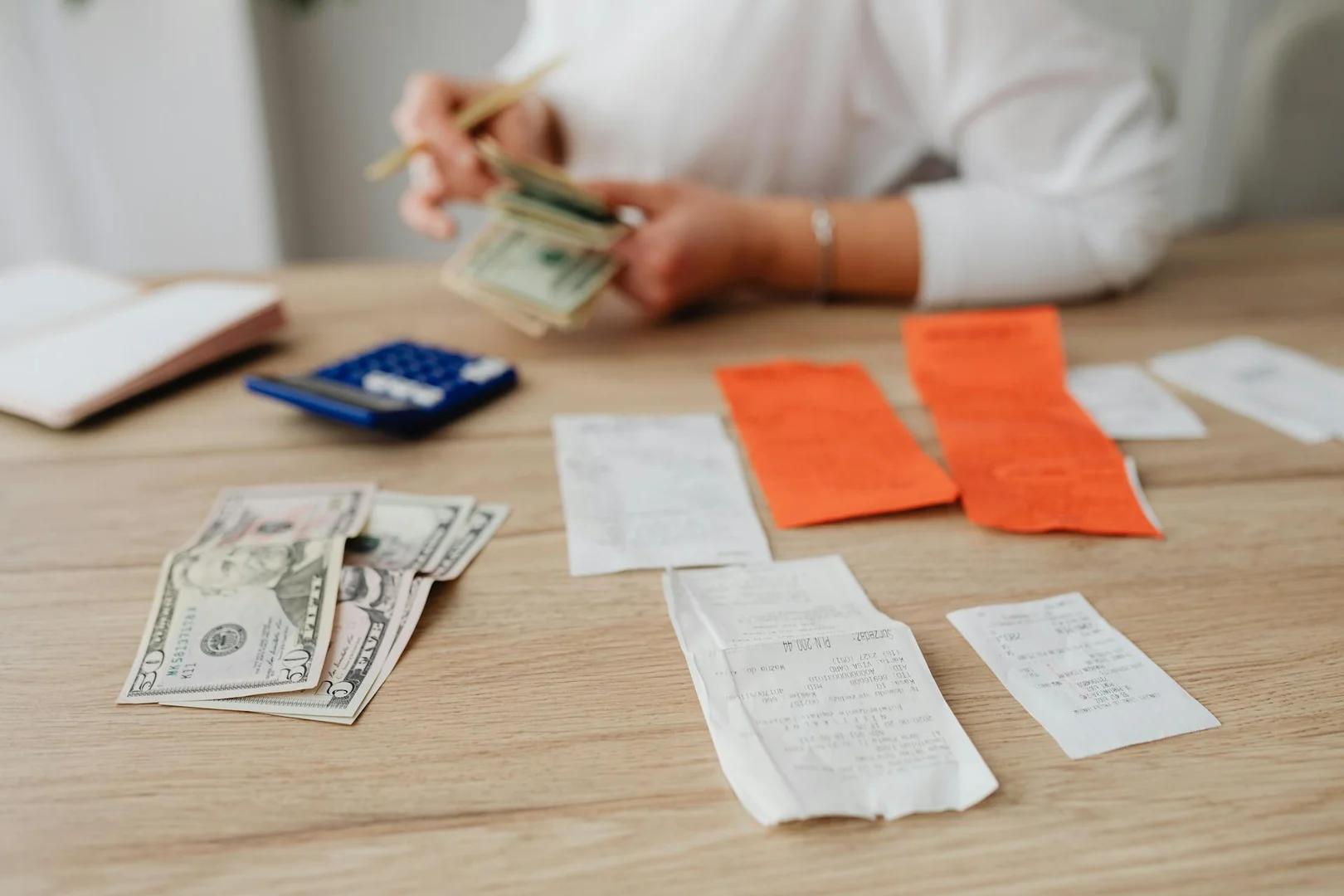
Money is one of the most common sources of tension in group travel. Different spending habits, unclear expectations, and the awkwardness of asking for reimbursement can turn a dream trip into a friendship-testing ordeal.
But it doesn't have to be this way. With the right systems and open communication, splitting travel costs can be completely painless. Here's your complete guide to managing shared expenses like a pro.
Why Cost Splitting Goes Wrong
Common Problems
Unequal Contributions One person always covers costs, others "forget" to pay back.
Different Budget Levels Some travelers want luxury, others need budget options.
Hidden Expenses Small purchases add up: coffee runs, snacks, tips, cab fares.
Unclear Agreements Who pays for what? Is that shared or individual?
Timing Issues "I'll pay you back when we get home" often becomes never.
Before the Trip: Set Expectations
The Money Conversation
Have this discussion before booking anything:
Budget Range
- What's everyone's daily budget?
- What's the total trip budget per person?
- Are splurges okay, or strict budget only?
Shared vs. Individual Agree upfront what gets split:
Typically Shared:
- Accommodation
- Rental cars and gas
- Group meals
- Shared groceries
- Activities everyone does together
Usually Individual:
- Personal shopping
- Solo meals or drinks
- Individual souvenirs
- Personal snacks
- Tips (unless you agree otherwise)
Gray Areas to Clarify:
- Taxis (shared ride but different destinations?)
- Alcohol (non-drinkers still split the bill?)
- Dietary preferences (vegetarian meal cheaper than steak?)
- Activity opt-outs (someone skips the expensive tour)
Create a Written Agreement
Not a legal contract, just a shared document stating:
- Budget range agreed upon
- What expenses are shared
- Settlement frequency (daily, weekly, end of trip)
- Preferred payment method
- What happens if someone overspends
Pro Tip: Share this document in your group chat so everyone can reference it.
Best Methods for Splitting Costs
Method 1: Expense-Splitting Apps
Best Options:
Splitwise (Most Popular)
- Add expenses as they happen
- Automatically calculates who owes whom
- Supports multiple currencies
- Simplifies settlements (minimizes transactions)
- Free for basic features
How It Works:
- Create a trip group
- Add expenses with who paid and who benefited
- App calculates net balances
- Settle up at agreed intervals
Example:
- Alice pays $60 for accommodation (split 3 ways)
- Bob pays $30 for gas (split 3 ways)
- Carol pays $45 for groceries (split 3 ways)
- App shows: Alice is owed $25, Carol is owed $5, Bob owes $30
Tricount (Alternative) Similar to Splitwise, popular in Europe.
Settle Up Simpler interface, good for less tech-savvy groups.
Method 2: Shared Kitty System
How It Works: Everyone contributes equal amounts to a shared fund. All group expenses come from this fund.
Best For: Groups with similar budgets who want to minimize tracking.
Implementation:
- Estimate total shared expenses
- Everyone contributes their share upfront
- One person manages the kitty (or rotate daily)
- Top up as needed
Advantages:
- No one feels like they're floating money
- Fewer transactions to track
- Works well for shorter trips (long weekend)
Disadvantages:
- Requires trust in the kitty manager
- Harder to track individual vs shared expenses
- Messy if someone wants to opt out of an activity
Method 3: Take Turns Paying
How It Works: Rotate who covers each expense category.
Example Structure:
- Day 1: Alice covers all shared meals
- Day 2: Bob covers accommodation
- Day 3: Carol covers transportation
- Repeat pattern
Best For: Small groups (2-3 people) with similar spending habits.
Challenges:
- Expenses aren't always equal
- Need final settling at trip end
- Requires good record-keeping
Method 4: Category Assignment
How It Works: Each person "owns" certain expense categories for the whole trip.
Example:
- Person A: All accommodation
- Person B: All transportation
- Person C: All food and drinks
Best For: Longer trips where you can roughly estimate category totals.
Requirement: Pre-trip budget estimate to ensure categories are roughly equal.
Handling Different Budget Levels
When One Person Wants Luxury
The Problem: One traveler wants the fancy hotel, others want hostel prices.
Solutions:
Option 1: Tiered System
- Everyone splits basic tier cost
- Upgrader pays the difference
- Example: Hostel is $30/person, hotel is $80. Everyone pays $30, upgrader adds $50
Option 2: Separate on Those Items
- Split accommodation separately
- Share only truly communal costs (rental car, groceries)
Option 3: Rotate Splurges
- Take turns choosing when to splurge
- "Today we do my budget restaurant, tomorrow we try your fancy place"
- Split all costs evenly, evening out over the trip
When Someone Can't Afford the Trip
Honest Conversation Required:
If someone's genuinely struggling financially:
- Choose budget-friendly destinations (budget travel in Europe)
- Find free activities
- Cook more meals instead of restaurants
- Look for group discounts
What Not to Do: Don't secretly subsidize someone's trip without discussing it. This breeds resentment.
Smart Systems for Specific Expenses
Accommodation
Hotel/Airbnb Strategy:
Unequal Rooms:
- Person with private bathroom pays 10-15% more
- Couples sharing a room split differently than solo travelers in shared room
- Master bedroom with en-suite pays premium
Calculation Example:
- Total: $300/night for 3-bedroom apartment
- 2 couples + 1 solo traveler = 5 people
- Simple split: $60/person
- Adjusted: Couples pay $65 each ($130/couple), solo pays $40
Hostel Strategy: Usually straightforward – everyone pays their own bed.
Transportation
Rental Car:
- Split cost by number of passengers
- Driver gets small discount (10%)? Group decides
- Gas split equally or based on who caused extra driving
Rideshares:
- Screenshot receipt, add to expense app immediately
- If dropping people at different locations, split by distance
- Use app features to split Uber directly
Flights: Always individual unless you're unusually generous.
Food & Drinks
Restaurant Meals:
Even Split Method: Split bill evenly (easiest for group harmony).
Itemized Method: Everyone pays for what they ordered (use apps that photograph receipts).
When to Itemize:
- Significant price differences (someone ordered lobster, others had salad)
- Alcohol consumption varies greatly
- Dietary restrictions mean different prices
Groceries: If cooking together, split evenly. Track with expense app.
Personal Snacks: Don't split. Everyone pays their own.
Activities
Everyone Participates: Split evenly, straightforward.
Someone Opts Out:
Method 1: Don't Split People doing the activity pay for it themselves.
Method 2: Split Shared Costs Only
- Example: Renting a boat for $200 + $30/person for equipment
- Everyone splits boat ($50 each for 4 people)
- Only participants pay equipment fee
- If someone opts out entirely, 3 people pay $66.67 each for boat
Real-Time Expense Tracking
Daily Routine
Morning: Review yesterday's expenses, add any missing ones.
During the Day:
- Keep all receipts
- Photo receipts immediately
- Add to app before you forget
- Clarify if expense is shared or individual
Evening: Final review, update expense app.
Weekly Settlement
Don't wait until the end of a long trip:
- Settle up weekly
- Use local payment apps (Venmo, PayPal, bank transfer)
- Confirm everyone's balances are updated
Why This Matters: Small debts are easy to settle. Large end-of-trip bills cause stress.
Payment Methods
Digital Options
Best for International Travel:
- Wise: Multi-currency support, low fees
- Revolut: Easy between users, good exchange rates
- PayPal: Universal but higher fees
Best for Domestic Travel:
- Venmo (US)
- Zelle (US)
- Interac (Canada)
- Local banking apps
Cash Settlements
When to Use Cash:
- One of you doesn't have digital payment options
- Very small amounts (under $10)
- Local currency easier than converting
Warning: Cash settlements are easy to forget. Document with a photo or note.
Common Scenarios & Solutions
Scenario 1: The Forgetful Friend
Problem: Someone constantly "forgets" to add their expenses or pay back.
Solution:
- Assign this person kitty manager (forces tracking)
- Use app notifications
- Daily settlement instead of end-of-trip
- If persists, have direct conversation
Scenario 2: The Penny-Pincher
Problem: Someone scrutinizes every cent, creates spreadsheets, causes friction.
Solution:
- Acknowledge their need for precision
- Let them manage the expense tracking
- Set a "small expense threshold" (under $5 doesn't get tracked)
- Agree to round to nearest $5 for settlements
Scenario 3: The Over-Spender
Problem: Someone keeps suggesting expensive options, expects to split evenly.
Solution:
- Reference your pre-trip budget agreement
- Suggest tiered system (they pay premium)
- Suggest finding more travel buddies with similar budget
- Be direct: "That's outside our agreed budget"
Scenario 4: Currency Confusion
Problem: Traveling through multiple countries, exchange rates fluctuating.
Solution:
- Use expense apps with multi-currency support
- Pick one "base currency" for settlements
- Let app handle conversions
- Screenshot exchange rates when making purchases
What miigo Travelers Do
Many miigo users traveling together use these systems:
Popular Combo:
- Splitwise for tracking
- Wise for international settlements
- Daily photo of receipts in group chat
- Weekly settlement schedule
Pre-Trip Planning:
- Share budget ranges in miigo chat before committing to trip
- Discuss money expectations during video intro call
- Create shared expense Google Sheet for transparency
Why It Works: When you meet travel companions through miigo, you can discuss budget compatibility upfront, avoiding mismatches.
Cultural Considerations
Different Attitudes Toward Money
Individualist Cultures: Itemized splitting common, everyone pays their share exactly.
Collectivist Cultures: Taking turns treating each other, generosity expected.
What to Do: Discuss cultural expectations if traveling with international friends.
Tax & Record-Keeping
For Digital Nomads
If travel expenses are business deductions:
- Keep all receipts
- Separate business from personal in expense app
- Note business purpose
- Use Expensify or similar for automated categorization
For Everyone
Keep Records:
- Emergency proof of purchase (for insurance claims)
- Warranty/returns for electronics
- Major purchases for customs
Advanced: Optimization Strategies
Credit Card Points
Coordination Strategy:
- One person books refundable hotel on rewards card
- Others reimburse immediately
- Points accumulator cancels, books on points later
Fair Implementation: Rotate who gets points, or points-earner gives small discount to group.
Group Discounts
Booking Together Saves:
- Group tour discounts (usually 6+ people)
- Accommodation group rates
- Activity group packages
Finding Groups: Use miigo to find group travel opportunities and meet more people to share the journey with.
When Things Go Wrong
Someone Can't Pay
Immediate Action:
- Private conversation, not group confrontation
- Offer payment plan
- Reduce shared expenses going forward
Prevention: Clear budget discussion before trip begins.
Disputes About Expenses
Resolution:
- Review receipts and app records
- Focus on facts, not accusations
- Compromise: split the disputed amount
- Learn for next trip
Post-Trip Collection Issues
Last Resort Steps:
- Friendly reminder with expense app summary
- Offer multiple payment methods
- Set firm deadline
- Accept partial payment
- Learn who not to travel with again
The Psychology of Money on Trips
Why It's Awkward
- Fear of seeming cheap
- Not wanting to harsh the vacation vibe
- Avoiding conflict with friends
- Cultural taboos around discussing money
Making It Normal
Tips:
- Address it early and cheerfully
- Frame as "trip planning" not "money talk"
- Use humor to diffuse tension
- Normalize checking in about budget
Remember: Good friends respect financial boundaries. If someone makes you feel bad about budget concerns, that's a red flag.
Creating Your System
For Your Next Trip
-
Choose Your Method
- App-based for frequent travelers
- Kitty for weekend trips
- Taking turns for pairs
-
Have The Talk
- Budget ranges
- Shared vs individual
- Settlement timing
-
Set Up Tools
- Download expense app
- Create group
- Add all travelers
-
Create Habit
- Daily expense review
- Weekly settlements
- Keep receipts
-
Stay Communicative
- Speak up about budget concerns
- Clarify unclear expenses
- Be transparent
Final Thoughts
Splitting travel costs doesn't have to be complicated or awkward. With clear communication, agreed systems, and regular settlements, money becomes a non-issue.
The goal is to enjoy the trip, strengthen friendships, and create memories – not stress about who paid for coffee three days ago.
Ready to find travel companions who share your budget style? Join miigo to connect with travelers who match your financial expectations and travel preferences. Filter by budget range and travel style to find your perfect group travel companions.
What's your go-to method for splitting travel costs? Share your tips and cautionary tales!
Ready to Find Your Travel Buddy?
Join miigo and connect with like-minded travelers for your next adventure.
Related Articles

Find a Travel Buddy in 2026: The Complete Guide
Find a travel buddy the smart way. Learn where to look, how to vet a partner, and stay safe. Build your buddy profile on miigo and start matching.

Best Destinations for Finding Travel Buddies in 2026
Discover the top destinations where solo travelers meet like-minded companions. From Thailand to Portugal, find out where to find your perfect travel buddy in 2026.
Travel Apps vs Traditional Tour Groups: Which Is Right for You in 2026?
Comparing modern travel buddy apps like miigo with traditional organized tours. Discover the pros, cons, costs, and which option fits your travel style best.