First-Time Backpacker Guide: Everything You Need to Know Before Your First Trip
Complete beginner's guide to backpacking. Learn what to pack, how to budget, where to go, safety tips, and how to plan your first backpacking adventure with confidence.
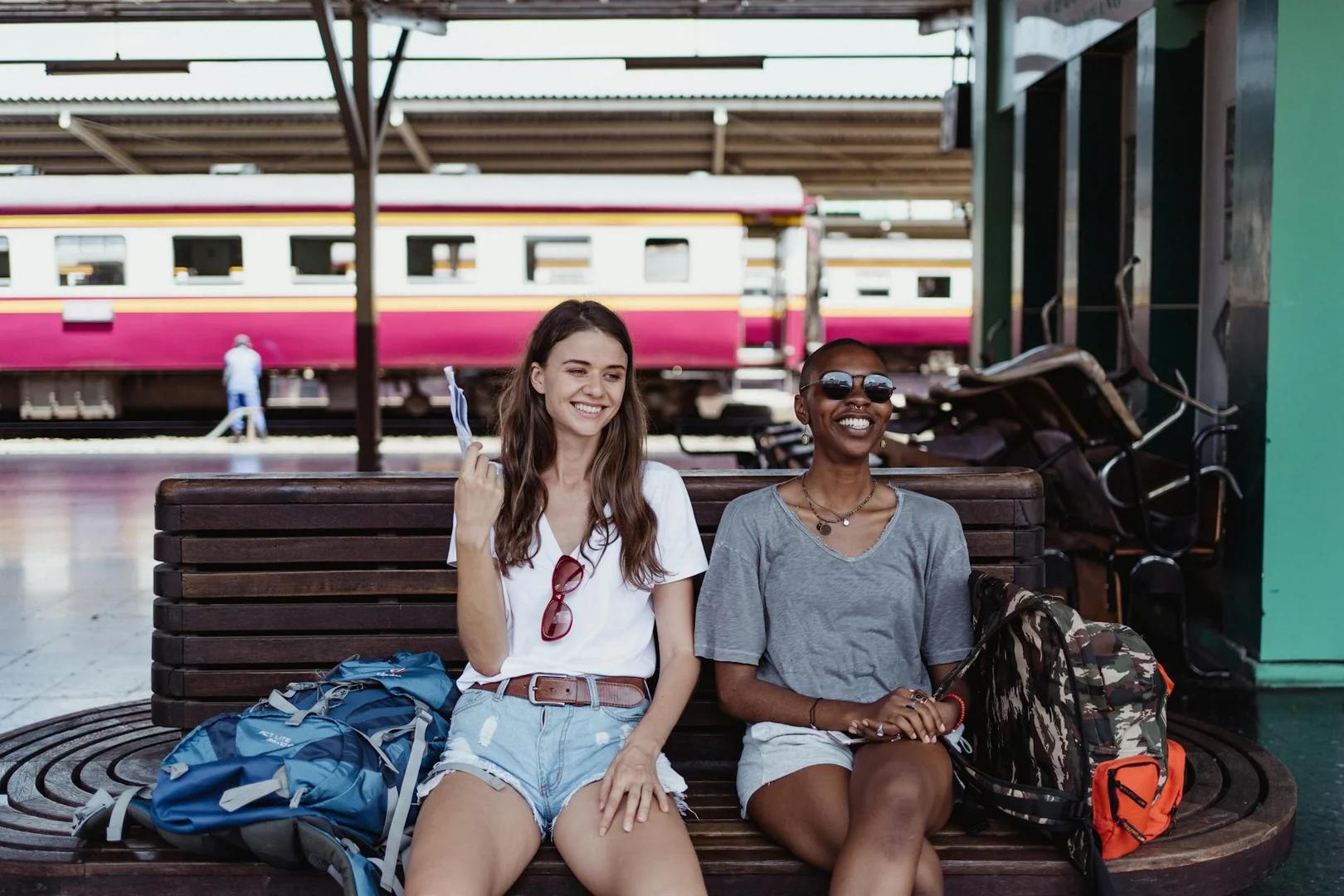
The thought of traveling with just a backpack, navigating foreign countries, and living out of hostels can be both exciting and terrifying for first-timers.
But backpacking isn't reserved for gap-year students or ultra-minimalists. Anyone can backpack, and it's one of the most rewarding, affordable, and transformative ways to see the world.
This complete guide will take you from nervous beginner to confident backpacker.
What Is Backpacking, Really?
Beyond the Stereotype
Backpacking Means:
- Traveling light (everything fits in a backpack)
- Budget-conscious (but not necessarily broke)
- Flexible itineraries
- Mix of hostels, guesthouses, budget hotels
- Independent exploration
- Cultural immersion
Backpacking Doesn't Mean:
- Sleeping in parks
- Eating only instant noodles
- Never showering
- Dangerous situations
- Roughing it constantly
Reality: Modern backpacking ranges from ultra-budget to "flashpacking" (backpacking with comfort).
Why Backpack?
The Benefits
1. Affordability
- Budget destinations: $30-50/day total
- Accommodation: $10-25/night
- Food: Cook or eat local street food
- Free activities: Hiking, beaches, wandering
2. Freedom
- No rigid itinerary
- Stay longer in favorite places
- Skip destinations that don't resonate
- Follow recommendations
- Spontaneous adventures
3. Social
- Hostel culture = instant friends
- Meet travelers worldwide
- Shared experiences bond people
- Built-in social network
4. Personal Growth
- Problem-solving skills
- Self-confidence
- Independence
- Cultural awareness
- Adaptability
5. Authentic Experiences
- Stay in local neighborhoods
- Eat where locals eat
- Use public transport
- Off-beaten-path discoveries
Where to Go First
Best Destinations for Beginners
Criteria for First-Time Backpackers:
- English widely spoken (or easy language)
- Good infrastructure
- Safe
- Established backpacker trail
- Affordable
- Diverse experiences
Top Beginner Destinations
1. Southeast Asia 🌏
Why It's Perfect:
- Extremely affordable ($30-50/day)
- Well-established backpacker infrastructure
- Safe for solo travelers
- Stunning beaches, temples, cities
- English common in tourist areas
- Amazing food
Suggested Routes:
- 2 weeks: Thailand (Bangkok → Chiang Mai → Islands)
- 3 weeks: Thailand → Cambodia (Siem Reap) → Vietnam (North to South)
- 1 month: + Laos, Myanmar, Malaysia
Challenges:
- Heat and humidity
- Some scams (easily avoided with research)
- Spicy food (request "no spicy")
2. Europe 🇪🇺
Why It Works:
- Excellent transport (trains, buses)
- High safety standards
- English common
- Hostel culture strong
- Diverse countries close together
Budget-Friendly Route: Eastern Europe: Poland → Hungary → Czech Republic
Mid-Range Route: Portugal → Spain → France
Challenges:
- More expensive than Asia ($50-100/day)
- Shorter hostel stays (people move quickly)
3. Central America 🌎
Why Consider:
- Beaches and ruins
- Spanish practice opportunity
- Affordable ($40-70/day)
- Short distances between countries
- Natural beauty
Route: Guatemala → Belize → Honduras → Nicaragua → Costa Rica
Challenges:
- Some safety concerns (research each country)
- Less English than Asia
- Some transportation uncomfortable
4. Australia/New Zealand 🦘
Why It's Easy:
- English speaking
- Extremely safe
- Amazing landscapes
- Working holiday visas available
- Great social scene
Challenge: Expensive ($70-120/day)
Best For: Working holiday combining travel and work.
When to Go
Timing Your Trip
How Long?
2-3 Weeks: Taster
- One country in-depth
- 2-3 countries briefly
- Perfect for first-timers
- Test if backpacking suits you
1-2 Months: Real Experience
- 3-5 countries
- Time to settle into rhythm
- Make real connections
- Justify flight costs
3-6 Months: Life-Changing
- Multiple regions
- Deep cultural immersion
- Transform as a person
- Requires serious savings
1+ Year: Long-Term
- RTW (Round-the-World) tickets
- Work while traveling
- Multiple continents
- New lifestyle
Best Time of Year
Shoulder Season = Sweet Spot
Benefits:
- 20-40% cheaper
- Fewer crowds
- Better weather than off-season
- Easier to meet locals
By Region:
- Southeast Asia: November-February (avoid monsoon)
- Europe: April-May, September-October
- Central America: November-April (dry season)
- Australia: Shoulder seasons (March-May, Sept-Nov)
Budgeting Your Trip
How Much Do You Need?
Daily Budget by Region:
Southeast Asia: $30-50
- Dorm bed: $8-15
- Food: $10-15
- Transport: $5-10
- Activities: $5-10
Eastern Europe: $40-60
- Dorm bed: $12-20
- Food: $15-20
- Transport: $8-12
- Activities: $8-10
Western Europe: $60-100
- Dorm bed: $20-35
- Food: $20-30
- Transport: $12-20
- Activities: $10-15
Central America: $40-70
- Dorm bed: $10-20
- Food: $12-20
- Transport: $10-15
- Activities: $10-15
Pre-Trip Costs
One-Time Expenses:
- Backpack: $100-300
- Travel gear: $100-200
- Vaccinations: $100-400
- Travel insurance: $50-150/month
- Visas: $0-200 depending on route
Flight:
- Southeast Asia from US/Europe: $400-800
- Europe from US: $300-700
- Central America from US: $300-600
Total Startup: $1,000-2,500 before you leave
Money Management
Best Practices:
1. Multiple Cards
- Primary debit (Wise or Revolut)
- Backup credit card
- Emergency cash stash
2. Notify Banks Avoid freezes when cards used abroad.
3. ATM Strategy
- Withdraw larger amounts (minimize fees)
- Use bank ATMs, not private
- Know your daily limits
4. Budget Tracking
- Trail Wallet app
- Daily spending limit
- Weekly reviews
5. Emergency Fund $500 separate for disasters.
The Backpack: Choosing and Packing
Choosing Your Backpack
Size:
- 40-50L: Carry-on size, minimalist, perfect for warm climates
- 50-65L: Sweet spot for most, fits more gear
- 65L+: Longer trips, cold weather, camping gear
First-Timer Recommendation: 50-55L adjustable backpack from Osprey, Deuter, or Gregory.
Features That Matter:
- Hip belt (carries weight on hips, not shoulders)
- Adjustable torso length
- Lockable zippers
- Laptop compartment
- Water-resistant
- Compression straps
Try Before Buying: Load with weight in store, walk around 10 minutes.
Packing List: The Essentials
Clothing (1-Week Worth):
Universal Items:
- 3-4 t-shirts (merino wool = less smell)
- 1 long-sleeve shirt
- 1 lightweight pants (convertible to shorts)
- 1 shorts
- 7 underwear (ExOfficio quick-dry)
- 4 pairs socks
- 1 fleece or light jacket
- 1 rain jacket
- Swimsuit
- 1 "nice" outfit (nights out)
- Flip-flops (hostels, beaches)
- Walking shoes (broken in!)
Toiletries (Minimal):
- Toothbrush/paste
- Soap (Dr. Bronner's multi-use)
- Deodorant
- Sunscreen
- Bug spray
- Small first-aid kit
- Medications
- Razor
Tech:
- Phone + charger
- Power bank
- Universal adapter
- Headphones
- E-reader (optional)
- Camera (phone often enough)
Documents:
- Passport (+ photocopies)
- Travel insurance
- Credit cards
- Some USD cash
- Vaccination records
Gear:
- Padlock (for lockers)
- Daypack (20L foldable)
- Water bottle
- Microfiber towel (quick-dry)
- Sleep sheet (hostel bedding backup)
- Earplugs + eye mask
- Headlamp/small flashlight
Optional:
- Sarong (beach, scarf, blanket, towel)
- Ziplock bags (organization)
- Carabiner (attach things outside)
- Dry bag (beach/water activities)
Packing Strategy
Rolling vs. Folding: Rolling saves space, reduces wrinkles.
Packing Cubes: Game-changer for organization. Color-code:
- Blue: Clothes
- Red: Toiletries
- Green: Electronics
Accessibility:
- Daily essentials in top
- Rarely needed at bottom
- Documents in secure inside pocket
Weight Distribution:
- Heavy items close to back
- Light items at bottom
- Medium weight on top
Accommodation Guide
Types of Backpacker Lodging
1. Hostel Dorms
Pros:
- Cheapest ($8-25/night)
- Meet travelers
- Social atmosphere
- Kitchen access
- Common areas
Cons:
- Limited privacy
- Noise
- Shared bathrooms
- Theft risk (use lockers!)
Choosing Good Hostels:
- Read recent reviews (Hostelworld)
- Check: lockers, bathrooms, wifi, kitchen
- Location vs. price trade-off
- Party hostel vs. quiet = know what you want
2. Private Hostel Rooms
Middle Ground:
- Your own space
- Hostel amenities and social
- $25-45/night
Best When:
- Need rest
- Traveling with partner
- Want to recharge
3. Guesthouses
Local Experience:
- Family-run
- More cultural
- Often include breakfast
- $15-40/night
Trade-Off: Less social than hostels.
4. Couchsurfing
Free Accommodation:
- Stay with locals
- Cultural exchange
- Insider knowledge
Requirements:
- Complete profile
- References
- Respectful guest
- Safety screening
Hostel Etiquette
Do:
- Use lockers (your stuff + prevents temptation)
- Keep things organized
- Whisper after 10 PM
- Take quick showers
- Clean up kitchen messes
Don't:
- Turn on lights at night (use headlamp)
- Have loud conversations late
- Rustle plastic bags at 3 AM
- Leave food in shared fridge unmarked
- Sprawl your stuff everywhere
Safety for First-Timers
Staying Safe
General Rules:
Trust Your Gut If something feels wrong, leave.
Share Itinerary Family/friends know where you are.
Avoid Excessive Drinking Stay aware of surroundings.
Valuable Management:
- Passport/cards in money belt or hotel safe
- Daypack in front in crowds
- Leave jewelry at home
- Backup of important docs
Common Scams:
- Overly friendly locals (often leading to shop/restaurant)
- Taxi meter "broken" (agree price first)
- "Free" bracelet then demand payment
- Wrong change given
- Fake police asking for passport
Research Common Scams: Google "[destination] tourist scams" before arrival.
Solo Travel Safety
Extra Precautions:
Stay in Touch:
- Regular check-ins with home
- Join group activities
- Hostel social events
Don't Advertise Solo Status:
- "My friend is meeting me later"
- Wear fake wedding ring if uncomfortable
Female-Specific:
- Research cultural dress norms
- Women-only dorms available
- Solo Female Travelers groups (Facebook)
- Trust instincts extra carefully
Making Friends on the Road
Social Strategies
In Hostels:
- Common room hangouts
- Cooking dinner together
- Join hostel-organized activities
- Ask "Anyone want to grab dinner?"
On the Road:
- Free walking tours (meet travelers)
- Day trips and activities
- Facebook groups ("Traveling [City]")
- Apps like miigo
- Language exchanges
- Meetups
Opening Lines:
- "Where are you from?"
- "How long have you been traveling?"
- "What's been your favorite place?"
- "Have you been to [next destination]?"
Common Beginner Mistakes
Avoid These Pitfalls
1. Overpacking
Problem: Heavy backpack = misery
Solution: Pack less. You can buy things if needed.
2. Rigid Itinerary
Problem: Stress when plans change, miss spontaneous opportunities
Solution: Flexible framework, book only first/last nights.
3. Moving Too Fast
Problem: Exhausted, superficial experiences, transportation costs
Solution: Slow down. Quality > quantity.
4. Not Budgeting
Problem: Money runs out halfway
Solution: Daily tracking, 20% buffer.
5. Skipping Travel Insurance
Problem: One hospital visit = trip savings gone
Solution: Always get insurance (World Nomads, SafetyWing).
6. Carrying Valuables
Problem: Theft target, constant worry
Solution: Leave expensive jewelry, watches, unnecessary electronics home.
7. Not Researching Culture
Problem: Offend locals, miss experiences
Solution: Basic research on customs, dress, etiquette.
8. Staying in Comfort Zone
Problem: Same experience as home
Solution: Say yes to new things, talk to strangers.
First Days: What to Expect
Arrival Anxiety
It's Normal to Feel:
- Overwhelmed
- Lonely
- Uncertain
- Culture shock
- Questioning your decision
This Passes: Usually after 3-5 days, you hit your stride.
Day 1 Strategy:
- Check into hostel
- Short walk around neighborhood
- Grocery shopping (snacks, water)
- Early night (jet lag recovery)
- Don't force it
Day 2:
- Free walking tour (orientation + meet people)
- Visit one main sight
- Hostel dinner
Day 3+:
- Now you're comfortable
- Make plans with people you met
- Explore beyond tourist center
Sample 2-Week Budget Backpacking Trip
Thailand for Beginners
Itinerary:
- Days 1-3: Bangkok
- Days 4-6: Chiang Mai
- Days 7-9: Pai
- Days 10-13: Islands (Koh Tao or Koh Phangan)
- Day 14: Bangkok (departure)
Budget:
- Flights (round-trip): $600
- Visa: $0 (30-day free)
- Insurance: $50
- Accommodation (13 nights): $195 ($15/night)
- Food: $280 ($20/day)
- Transport: $120
- Activities: $200
- Miscellaneous: $100
Total: $1,545
What You Get:
- Temples and street food in Bangkok
- Cooking class in Chiang Mai
- Motorbike adventures in Pai
- Diving certification in Koh Tao
- Beach parties
- Lifelong memories
Finding Travel Companions
Solo vs. Group Backpacking
Solo Pros:
- Total freedom
- Faster to meet people
- Personal growth
- Your own pace
Solo Cons:
- Loneliness at times
- Higher per-person costs
- All decisions on you
Group Pros:
- Shared costs
- Built-in companions
- Safety in numbers
- Shared experiences
Group Cons:
- Compromise needed
- Coordination challenges
- Red flags possible
Best of Both: Use miigo to find travel buddies for certain legs, solo for others. Flexible companionship.
Practical Tips
Random Essentials
Laundry:
- Hand-wash in sink with laundry soap bar
- Dry on line/radiator (not dryer)
- Or use local laundromats ($5-10)
Connectivity:
- Local SIM cards (cheap data)
- Hostel wifi
- Download offline maps
- VPN for banking
Staying Healthy:
- Hand sanitizer constant use
- Water purification (tablets or SteriPen)
- Probiotics daily
- Street food from busy stalls (turnover = fresh)
Power:
- Charge devices nightly
- Power bank for day trips
- Universal adapter
Photos:
- Back up to cloud weekly
- Google Photos unlimited (compressed)
- External hard drive for full-res
Common Questions
Q: Is backpacking safe? A: Generally very safe. Use common sense, research destinations, stay aware. Millions backpack annually without incident.
Q: I don't speak other languages. Can I backpack? A: Yes. English very common in tourist areas. Google Translate helps. Gestures work. You'll pick up basics.
Q: What if I get homesick? A: Normal! Video call home. Connect with travelers. Remember why you came. Often passes after a week.
Q: Can I backpack if I'm older (30s, 40s+)? A: Absolutely. Backpacking isn't age-restricted. "Flashpacking" (nicer accommodation) common for older travelers.
Q: What if I don't like it? A: You can go home. Book refundable initially. But give it 1-2 weeks before deciding.
Q: How do I deal with fear? A: Start small. Short trip first. Join group activities. Face fears gradually.
Final Thoughts for First-Timers
Backpacking seems intimidating from the outside, but once you start, you realize millions of people do this – and if they can, so can you.
Remember:
- Start somewhere easy
- Pack less than you think
- Budget with buffer
- Stay flexible
- Say yes to opportunities
- Don't compare your journey to others'
- Mistakes are part of the story
- You're more capable than you think
The hardest part is buying the ticket. After that, you just take one step at a time.
Ready to start your backpacking journey? Join miigo to connect with experienced backpackers, find travel buddies for your first trip, and get advice from people who've been exactly where you are now.
First-time backpackers: What's your biggest fear or question? Experienced backpackers: What do you wish you'd known before your first trip?
Ready to Find Your Travel Buddy?
Join miigo and connect with like-minded travelers for your next adventure.
Related Articles
Thailand Backpacking Guide 2026: Routes, Budget & Tips
The complete Thailand backpacking guide for 2026. Best routes, budget breakdown, must-visit places, and tips for solo travelers and groups exploring Thailand.

How to Make Friends While Traveling: The Complete Social Guide for Solo Travelers
Master the art of making genuine travel friends. Learn where to meet people, conversation starters, building connections, and turning brief encounters into lasting friendships.
Solo Travel Safety: Essential Tips for Traveling Alone
Stay safe while exploring the world alone. Learn practical safety tips, smart precautions, and how to handle common challenges as a solo traveler.